Get help now
  0300 111 6000
  My account

How can arts and crafts help you find your flow?
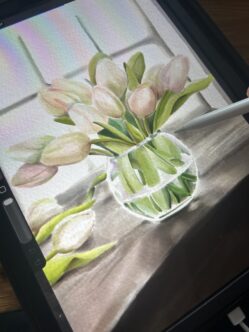
When my mental health dips, one of the first things I notice is how hard it becomes to focus on anything positive. My thoughts can get loud, and it can feel like my brain is stuck circling the same worries again and again.
I’ve always had a creative streak, but I’ve learned that creativity and arts and crafts can be a powerful support for mental health and recovery.
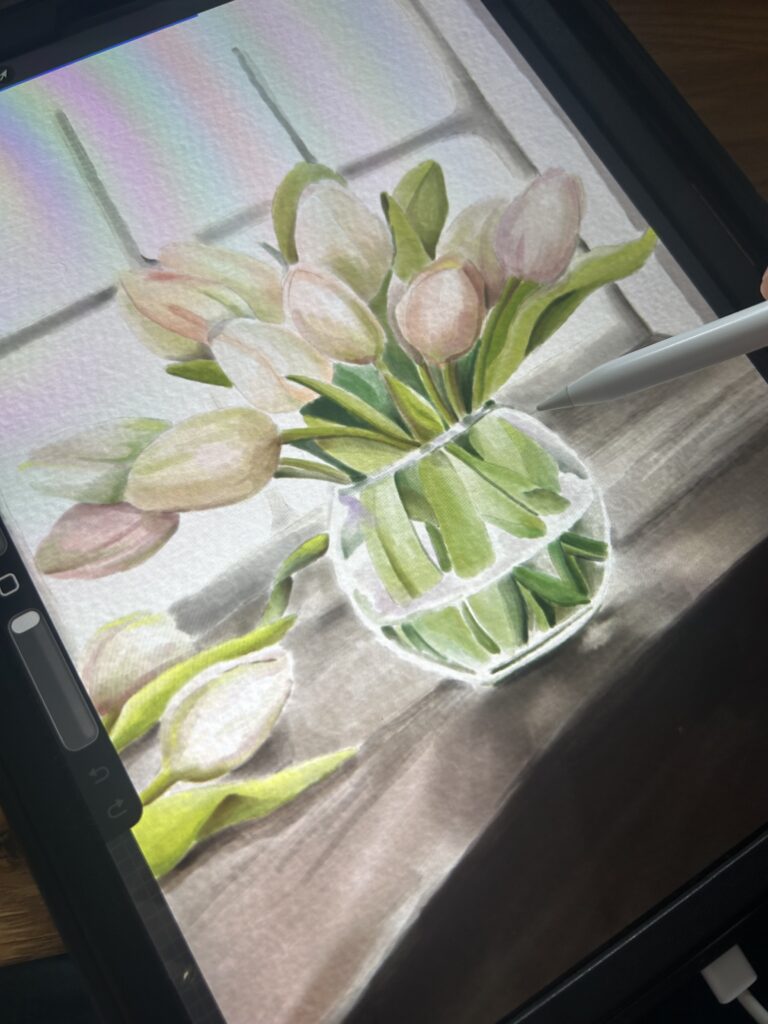
It’s not dramatic or life changing, but it can help in a quieter and more practical way. Sitting down with something creative, whether that’s painting, crafting, drawing, or writing, gives my mind somewhere else to go. Somewhere calmer.
Creative hobbies give my attention a new direction. Instead of focusing on anxious thoughts, I’m focusing on colours, shapes, textures, or the next step in a project. That shift in attention can make a real difference when mental health feels fragile.
There’s a reason why our Waves service prioritises arts and crafts in their sessions supporting people with a diagnosis or traits of BRP/EUPD, and we explore the benefits of creativity in this blog.
What is ‘flow’ and why does it matter for mental health?
One of the most powerful things about creative activities is the feeling psychologists call ‘flow’.
Flow is often described as being in the zone. It happens when you become completely absorbed in what you’re doing. Your focus sharpens, your awareness of time fades, and for a while you stop thinking about yourself or the outside world entirely.
You’re just doing the activity in front of you.
Flow tends to occur when a task is challenging enough to keep your brain engaged, but not so difficult that it becomes frustrating. When your skill level and the challenge match well, your mind settles into a deep focus.
It doesn’t have to be a traditional art or craft – jigsaw puzzles and cosy games can help us find our flow state too.
Flow often appears during a creative session. You can be drawing or painting and suddenly look up and realise that an hour has passed without checking your phone or replaying anxious thoughts in your head.
Your mind has simply been busy making something, and maybe wandering or day dreaming at the same time.
This is one of the reasons creative hobbies can support mental wellbeing. They give the brain a break from rumination and focuses our attention on something creative instead.
How creativity supports mental health
There are many ways creativity supports mental health and emotional wellbeing, especially during difficult periods. When our mental health isn’t great, our emotional needs can start to feel harder to meet.
Creative activities can help us to meet some of those needs in small, manageable ways.
A sense of Achievement
Low mood can make it feel like you’re not progressing in anything. Creative projects create small, achievable milestones.
Finishing a sketch. Completing a crochet square. Painting one section of a canvas.
These small wins create a sense of achievement and accomplishment, which can be really valuable when motivation and self-esteem is low.
Space for Privacy and quiet focus
Creative time can also become a protected space.
Arts and crafts create a moment of privacy where we can focus on something without judgement or pressure. It isn’t about producing something perfect or impressive. It’s simply about the act of making.
That quiet focus can give us space to reflect on our thoughts, or let our minds wander and day dream.
Meaning and Purpose
When we move down the mental health continuum, it’s common to feel disconnected from purpose, that sense of why we are here.
Creating something, even something small, reminds us that we can still shape things and explore ideas which can give us purpose. Making something for someone, even a simple card, can also give us purpose and connect us to that person. In turn, them thanking you for it, or offering feedback, can also meet your need for Staus (feeling valued).

Creativity helps redirect attention
One of the biggest benefits of creativity for mental health is where it directs your attention.
When anxiety or low mood takes hold, attention tends to lock onto problems and worst case scenarios. The brain keeps returning to the same negative loops.
We can also fall into the trap of doom-scrolling or spending more time than we want to on social media, using our attention harvesting device (phone).
Creative activities interrupt that cycle.
Instead, our brains start giving attention to colour, patterns, textures, or how to solve a small creative challenge or try a new technique. This kind of focus engages curiosity and exploration rather than worry.
The mental health benefits of creative communities
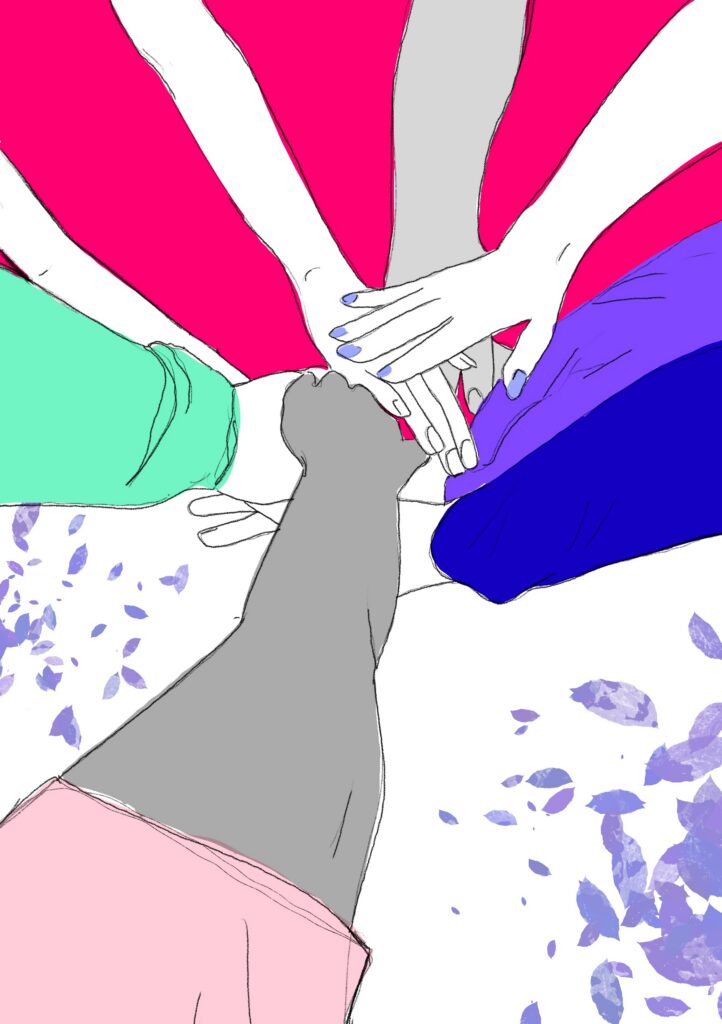
Creativity can be deeply personal, but it can also open the door to connection and community (another of our emotional needs).
There are creative communities everywhere, both online and offline. Craft groups, art classes, creative workshops, and online spaces where people share projects, ideas, and encouragement.
Connecting through creativity can feel easier than traditional socialising, especially during difficult periods. There’s already a shared interest and a shared language.
You don’t have to explain why you’re there. Everyone is simply there because they enjoy making things.
Creative communities often celebrate experimentation and progress rather than perfection, which makes them ideal spaces to meet your need for achievement too.
You don’t have to be “good” at art
One of the most common barriers people mention when talking about creative hobbies is the belief that they’re “not artistic”. But, it doesn’t matter.
Drawing or doodling, knitting, painting, journalling, embroidery, photography, scrapbooking, pottery, collage, digital art, model making, crafting, the possibilities are endless.
The goal isn’t to create something impressive, but to have something to give your attention to that you enjoy and that helps you meet your needs.
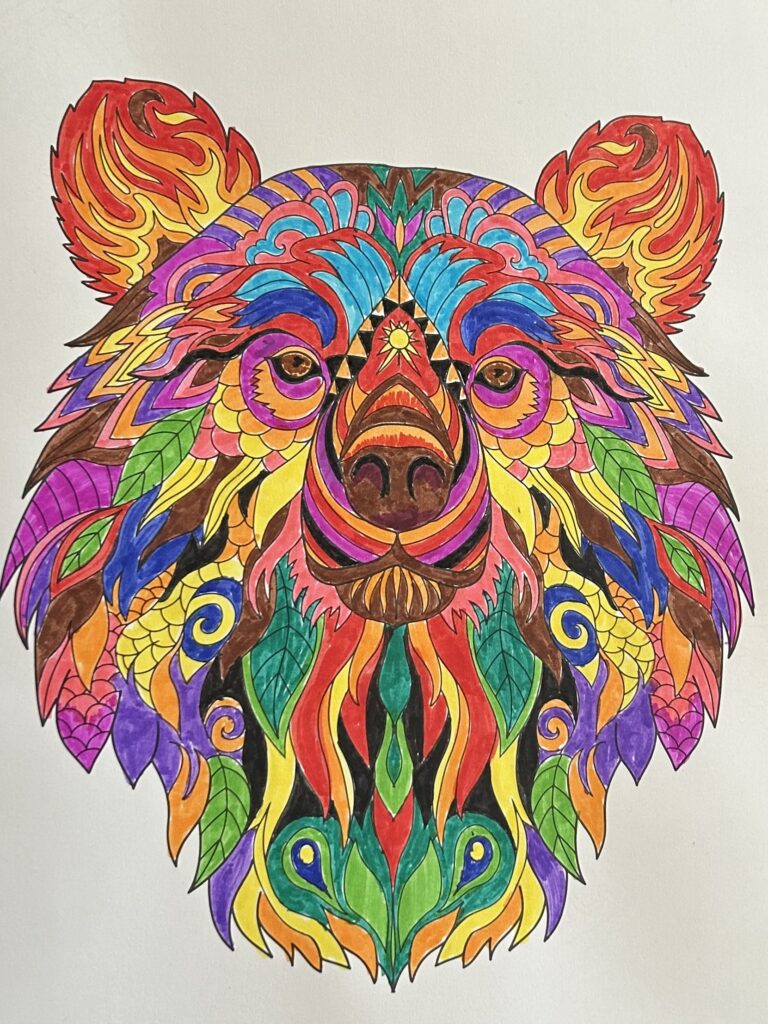
What next? We’re getting ready to launch a new creative fundraising campaign for you to get involved with. If you need a reason to get creative, or find a challenge helps you pick up a hobby, keep your eyes open on our social media.
Frequently Asked Questions: Creativity and mental health
How can arts and crafts help mental health?
Arts and crafts can support mental health by encouraging focus, relaxation, and emotional expression. Creative activities can give the mind something positive to concentrate on, which can help reduce rumination and anxious thinking. Many people find that creative hobbies can help meet emotional needs including achievement, privacy, meaning and purpose, and community.
What is the flow state in creativity?
The ‘flow state’ is a psychological state where a person becomes completely absorbed in an activity. Often described as “being in the zone”, flow happens when a task is challenging enough to hold your attention but matches your skill level so it’s not frustrating.
You may lose track of time, feel deeply focused, and experience a sense of enjoyment in the activity itself.
Why are creative hobbies good for mental wellbeing?
Creative hobbies support mental wellbeing because they can help people meet a number of emotional needs in a healthy and accessible way. Making something with your hands or imagination can help redirect attention away from worries and towards curiosity and problem solving.
It doesn’t have to be fancy, doodling with a biro on scrap paper can be just as effective as working on a larger project with art supplies.
Do you have to be good at art to benefit from creativity?
No. You do not need to be skilled at art to experience the benefits of creativity. The positive effects should come from the process of creating rather than the final result.
If you find yourself focusing more on the end result than enjoying the process, try something new for a while, rather than lose your sense of achievement by not creating something ‘perfect’.
Activities such as doodling, knitting, journalling, painting, or crafting can all support wellbeing, regardless of experience level. Creativity can also come from writing, cooking, music etc. The goal is simply to engage with the activity and allow your mind to focus on something constructive.
Can creativity help with anxiety or stress?
Creative activities can help manage anxiety and stress by shifting attention away from repetitive negative thoughts. Focusing on a creative task can encourage calm concentration and relaxation, similar to mindfulness practices.
Many people find that creative hobbies help them slow down, regulate their emotions, and feel more present in the moment.