Get help now
  0300 111 6000
  My account

Suffolk Work Well supports mental health in the workplace
In today’s workforce, mental health is central to productivity, retention, and overall wellbeing. As national conversations like the Keep Britain Working initiative continue to grow, local services are playing a vital role in turning strategy into meaningful, everyday support.
One service leading this work is Suffolk Work Well, helping people across Suffolk manage mental health challenges while staying in work, or returning to work with confidence.
What is Suffolk Work Well
Suffolk Work Well is a free, personalised support service delivered by Suffolk Mind. It helps people with mental health challenges stay in work, reduce sickness absence, and return to employment through early intervention, one to one support, and practical workplace strategies.
Why does mental health support at work matter?
10% of workers will take some time off work due to mental health challenges every year. Nearly half of those absences last over a month. With the right support in place, this can be prevented.
Effective workplace mental health support can:
- Meet employee’s emotional needs
- reduce long term sickness absence
- improve confidence and day to day wellbeing
- help people stay in work during difficult periods
- create healthier, more inclusive workplaces
This reflects the direction of national programmes like Keep Britain Working, which highlight the need for earlier, more personalised support.
How Suffolk Work Well supports people to stay in work
Early support that makes a difference
One of the most important factors in preventing long term absence is timing. Suffolk Work Well offers early access to support, helping people address challenges before they escalate.
This includes open conversations, practical advice, and simple strategies that can be applied straight away.
Personalised and flexible support
Everyone’s experience of mental health is different. Suffolk Work Well takes a flexible approach, offering support that fits around each individual.
This can include:
- one to one sessions
- tailored strategies and wellbeing action planning
- support that adapts as needs change
This flexibility makes it easier for people to engage, and more likely they will see lasting results.
One to one support from skilled practitioners
A key strength of the service is its dedicated caseworker model. People receive consistent support from trained professionals who understand both mental health and employment.
Delivered by Suffolk Mind, the service brings together emotional support and practical workplace guidance in one place.
Mental health at the centre
Suffolk Work Well recognises that mental health is often the main barrier to staying in work, not a secondary issue.
Support focuses on:
- understanding how mental health affects work
- building confidence and resilience
- improving communication in the workplace
This focus helps people feel understood, not judged, which makes a real difference.
Supporting both staying in and returning to work
Some people need help to stay in work, others need support to return after time away. Suffolk Work Well does both.
This includes:
- helping people remain in their roles during difficult periods
- supporting phased returns after absence
- improving long term job stability
This joined up approach benefits both individuals and employers.
A more holistic approach
Mental health does not exist in isolation. Suffolk Work Well looks at the wider picture, including personal circumstances, work environment, and other barriers.
By connecting people with the right support at the right time, the service creates a more complete and sustainable solution.
Why Suffolk Work Well stands out
Suffolk Work Well reflects what national guidance is calling for, but more importantly, it delivers it in practice.
It stands out because it offers:
- early, preventative support
- a strong focus on mental health and meeting emotional needs
- personalised, flexible delivery
- trusted local expertise
This makes it a leading example of how employment and mental health support can work together effectively.
Supporting the future of work
As more employers recognise the importance of mental health, services like Suffolk Work Well are becoming essential.
They help organisations:
- reduce absence
- retain valued staff
- build healthier workplaces
At the same time, they help individuals stay connected to work, which is often a key part of recovery and wellbeing.
Final thoughts
If the aim is to help more people stay in work and live well, services like Suffolk Work Well are a big part of the answer.
By combining early support, personalised care, and a clear focus on mental health, we are helping shape a healthier, more sustainable future for the workforce in Suffolk.
Read more about the service here: Suffolk Work Well
When my mental health dips, one of the first things I notice is how hard it becomes to focus on anything positive. My thoughts can get loud, and it can feel like my brain is stuck circling the same worries again and again.
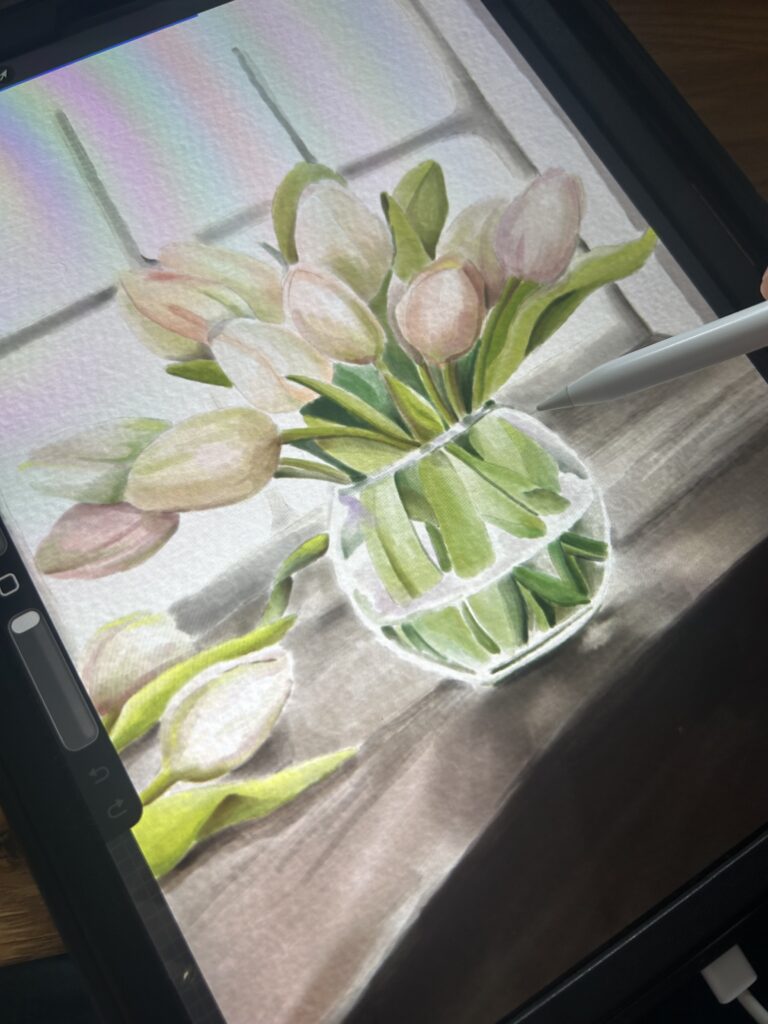
I’ve always had a creative streak, but I’ve learned that creativity and arts and crafts can be a powerful support for mental health and recovery.
It’s not dramatic or life changing, but it can help in a quieter and more practical way. Sitting down with something creative, whether that’s painting, crafting, drawing, or writing, gives my mind somewhere else to go. Somewhere calmer.
Creative hobbies give my attention a new direction. Instead of focusing on anxious thoughts, I’m focusing on colours, shapes, textures, or the next step in a project. That shift in attention can make a real difference when mental health feels fragile.
There’s a reason why our Waves service prioritises arts and crafts in their sessions supporting people with a diagnosis or traits of BRP/EUPD, and we explore the benefits of creativity in this blog.
What is ‘flow’ and why does it matter for mental health?
One of the most powerful things about creative activities is the feeling psychologists call ‘flow’.
Flow is often described as being in the zone. It happens when you become completely absorbed in what you’re doing. Your focus sharpens, your awareness of time fades, and for a while you stop thinking about yourself or the outside world entirely.
You’re just doing the activity in front of you.
Flow tends to occur when a task is challenging enough to keep your brain engaged, but not so difficult that it becomes frustrating. When your skill level and the challenge match well, your mind settles into a deep focus.
It doesn’t have to be a traditional art or craft – jigsaw puzzles and cosy games can help us find our flow state too.
Flow often appears during a creative session. You can be drawing or painting and suddenly look up and realise that an hour has passed without checking your phone or replaying anxious thoughts in your head.
Your mind has simply been busy making something, and maybe wandering or day dreaming at the same time.
This is one of the reasons creative hobbies can support mental wellbeing. They give the brain a break from rumination and focuses our attention on something creative instead.
How creativity supports mental health
There are many ways creativity supports mental health and emotional wellbeing, especially during difficult periods. When our mental health isn’t great, our emotional needs can start to feel harder to meet.
Creative activities can help us to meet some of those needs in small, manageable ways.
A sense of Achievement
Low mood can make it feel like you’re not progressing in anything. Creative projects create small, achievable milestones.
Finishing a sketch. Completing a crochet square. Painting one section of a canvas.
These small wins create a sense of achievement and accomplishment, which can be really valuable when motivation and self-esteem is low.
Space for Privacy and quiet focus
Creative time can also become a protected space.
Arts and crafts create a moment of privacy where we can focus on something without judgement or pressure. It isn’t about producing something perfect or impressive. It’s simply about the act of making.
That quiet focus can give us space to reflect on our thoughts, or let our minds wander and day dream.
Meaning and Purpose
When we move down the mental health continuum, it’s common to feel disconnected from purpose, that sense of why we are here.
Creating something, even something small, reminds us that we can still shape things and explore ideas which can give us purpose. Making something for someone, even a simple card, can also give us purpose and connect us to that person. In turn, them thanking you for it, or offering feedback, can also meet your need for Staus (feeling valued).

Creativity helps redirect attention
One of the biggest benefits of creativity for mental health is where it directs your attention.
When anxiety or low mood takes hold, attention tends to lock onto problems and worst case scenarios. The brain keeps returning to the same negative loops.
We can also fall into the trap of doom-scrolling or spending more time than we want to on social media, using our attention harvesting device (phone).
Creative activities interrupt that cycle.
Instead, our brains start giving attention to colour, patterns, textures, or how to solve a small creative challenge or try a new technique. This kind of focus engages curiosity and exploration rather than worry.
The mental health benefits of creative communities
Creativity can be deeply personal, but it can also open the door to connection and community (another of our emotional needs).
There are creative communities everywhere, both online and offline. Craft groups, art classes, creative workshops, and online spaces where people share projects, ideas, and encouragement.
Connecting through creativity can feel easier than traditional socialising, especially during difficult periods. There’s already a shared interest and a shared language.
You don’t have to explain why you’re there. Everyone is simply there because they enjoy making things.
Creative communities often celebrate experimentation and progress rather than perfection, which makes them ideal spaces to meet your need for achievement too.
You don’t have to be “good” at art
One of the most common barriers people mention when talking about creative hobbies is the belief that they’re “not artistic”. But, it doesn’t matter.
Drawing or doodling, knitting, painting, journalling, embroidery, photography, scrapbooking, pottery, collage, digital art, model making, crafting, the possibilities are endless.
The goal isn’t to create something impressive, but to have something to give your attention to that you enjoy and that helps you meet your needs.

What next? We’re getting ready to launch a new creative fundraising campaign for you to get involved with. If you need a reason to get creative, or find a challenge helps you pick up a hobby, keep your eyes open on our social media.
Frequently Asked Questions: Creativity and mental health
How can arts and crafts help mental health?
Arts and crafts can support mental health by encouraging focus, relaxation, and emotional expression. Creative activities can give the mind something positive to concentrate on, which can help reduce rumination and anxious thinking. Many people find that creative hobbies can help meet emotional needs including achievement, privacy, meaning and purpose, and community.
What is the flow state in creativity?
The ‘flow state’ is a psychological state where a person becomes completely absorbed in an activity. Often described as “being in the zone”, flow happens when a task is challenging enough to hold your attention but matches your skill level so it’s not frustrating.
You may lose track of time, feel deeply focused, and experience a sense of enjoyment in the activity itself.
Why are creative hobbies good for mental wellbeing?
Creative hobbies support mental wellbeing because they can help people meet a number of emotional needs in a healthy and accessible way. Making something with your hands or imagination can help redirect attention away from worries and towards curiosity and problem solving.
It doesn’t have to be fancy, doodling with a biro on scrap paper can be just as effective as working on a larger project with art supplies.
Do you have to be good at art to benefit from creativity?
No. You do not need to be skilled at art to experience the benefits of creativity. The positive effects should come from the process of creating rather than the final result.
If you find yourself focusing more on the end result than enjoying the process, try something new for a while, rather than lose your sense of achievement by not creating something ‘perfect’.
Activities such as doodling, knitting, journalling, painting, or crafting can all support wellbeing, regardless of experience level. Creativity can also come from writing, cooking, music etc. The goal is simply to engage with the activity and allow your mind to focus on something constructive.
Can creativity help with anxiety or stress?
Creative activities can help manage anxiety and stress by shifting attention away from repetitive negative thoughts. Focusing on a creative task can encourage calm concentration and relaxation, similar to mindfulness practices.
Many people find that creative hobbies help them slow down, regulate their emotions, and feel more present in the moment.
Suffolk Mind celebrated International Women’s Day 2026 a little early with this key event at Ravenwood Hall, Rougham, on Wednesday 25 February, bringing people together for a morning of networking, thought leadership, and lively discussion.
Our panel of special guests of leading and influential people from across Suffolk spoke of the challenges and opportunities they each face.
Three women in leadership joined on our panel: Sophie Alexander, Women in Construction Anglia; Mandy Errington, DJV Boutique & President of East of England Co-op; and Charlotte Giddings, Brownie & The Bean. They were joined by Steve Flory, Hudson Group and Jon Reed, Paddy & Scotts.
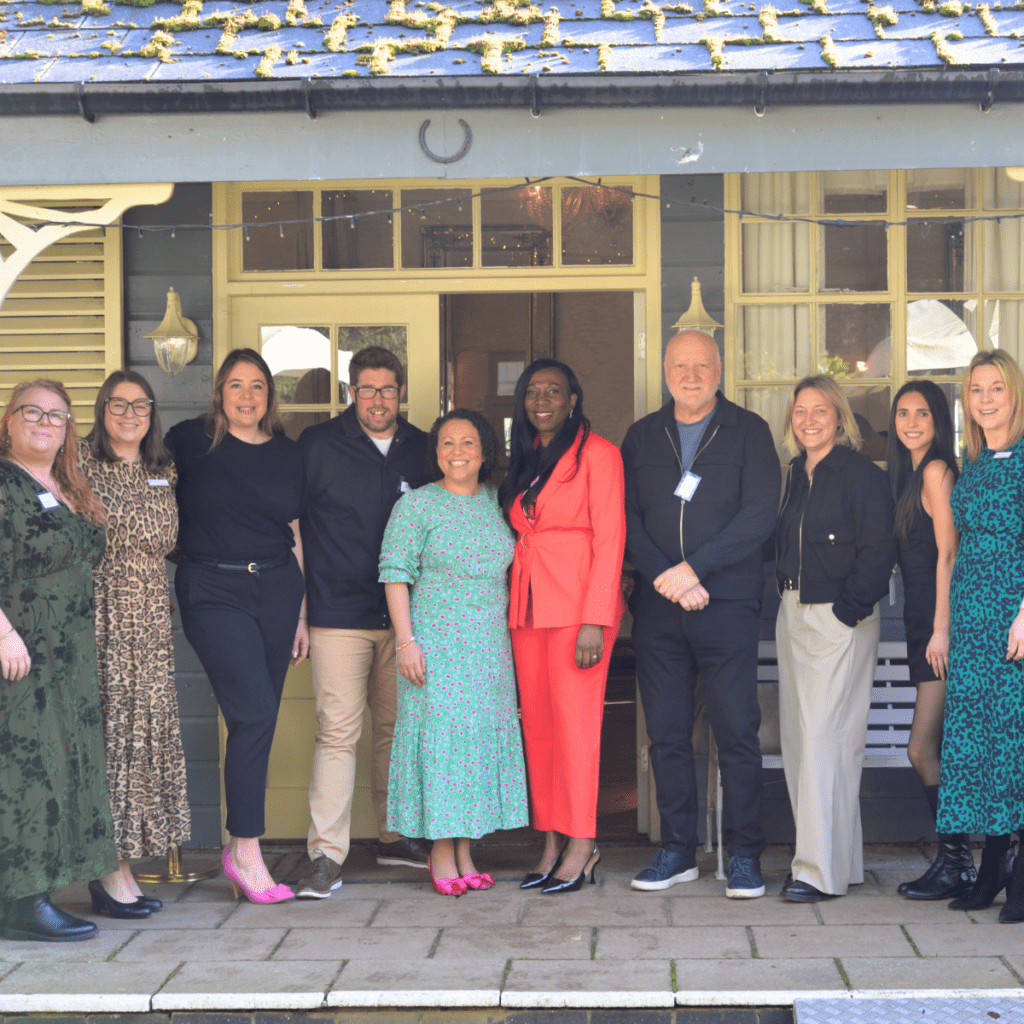
More than 80 people were welcomed by Clare Taylor, Vice Chair of the Board, Suffolk Mind, with an introduction to women’s wellbeing from Charlie Green, Deputy Head of Education & Training, Suffolk Mind to start the morning.
Emma Proctor-King, Churchmanor Estates, and Suffolk Mind Ambassador, led the guest interviews.
Highlights included wise words from the panel for their younger selves, with Mandy Errington saying, ‘You will survive and thrive through business, no matter how hard it might get, if you don’t give up.’
Clare Taylor said, ‘We knew we wanted to celebrate International Women’s Day, but we also wanted to go one step further by speaking openly about the challenges and opportunities women, and young people of every gender, face here in Suffolk.
‘We’re lucky to have so many women in leadership roles in Suffolk, and we wanted to explore how they balance their wellbeing, family, and their goals.
‘Events like this, hosted by Suffolk Mind, are important not only to bring people together, but to be a safe place to explore ideas, stories and hopes for the future of Suffolk and its people.’
Jon Neal, Chief Executive, Suffolk Mind, added, ‘Bringing together a panel of businesspeople from diverse industries and backgrounds meant that we heard inspirational stories, as well as insights into what the future might look like for generations to come.’

Suffolk Mind has announced the appointment of new volunteer Ambassadors who will represent the charity across the county and help champion its mission to make Suffolk the best place in the world to talk about and take care of mental health.
The Volunteer Ambassadors, all invited into the role in recognition of their commitment to Suffolk Mind, will support the charity at events, in the media, and through their own professional and community networks.
Suffolk Mind’s Ambassadors act as advocates, connectors and champions for mental health. They publicly represent the charity’s values and use their skills, experience and influence to help raise awareness of Suffolk Mind’s services and impact.
Emma Lightfoot, from popular river cruiser, Orwell Lady, has been appointed as a Volunteer Ambassador. She has supported Suffolk Mind for years through her different roles, and brings a passion for the emotional needs and resources approach as well as her new research into bereavement through pet loss.
Martyn Broughton, volunteer, joins the Ambassador programme following his voluntary service with Suffolk Work Well and his lived experience of mental ill health. He will help strengthen Suffolk Mind’s reach within our local community, particularly connecting with people struggling with their mental health in the workplace.
Emma Proctor King, Head of Communications at Churchmanor Estates, has been appointed as a Volunteer Ambassador this February. Emma’s first role as Ambassador is to host a panel of speakers at Suffolk Mind’s International Women’s Day celebration event at Ravenwood Hall on Wednesday 25th February.
Peter Basford and Olly Magnus join the Ambassadors having already served as patrons of Suffolk Mind for a number of years.
Jon Neal, Chief Executive, from Suffolk Mind said:
“Our new Ambassadors will play a vital role in helping us reach more people across Suffolk. Their passion, influence and commitment to mental health allow us to start important conversations in workplaces, communities and networks that we might not otherwise reach.
“We are incredibly grateful for their support and proud to welcome them into this role.”
In their Ambassador role, they may be seen:
- Representing Suffolk Mind at local and regional events
- Speaking about Suffolk Mind’s services at networking events or on social media
- Advocating for mental health in the media
- Thanking supporters at cheque presentations and community events
Martyn Broughton, Ambassador, said:
“I’m proud to become a Volunteer Ambassador for Suffolk Mind. Mental health affects us all, and I’m looking forward to using my voice at events to support more people going through tough times.”
Suffolk Mind’s Ambassadors come from a range of backgrounds, including business, community leadership, volunteering roles, and fundraising challenges. Together, they help strengthen the charity’s work to ensure that no one in Suffolk has to face mental health challenges alone.
To find out more about Suffolk Mind and its Volunteer Ambassador programme, follow this link.
Jon Neal writes a monthly article for Bury Free Press, here’s one exploring the need for Control
Injury leads to a loss of Control
I’d never heard of plantar fasciitis until a few weeks ago. I’m still not sure how to spell it, and it still sounds like a made-up injury about extreme right-wing gardeners. But it’s real, as the ache in my heel will testify to.
Basically, it’s a common affliction that people who don’t (shouldn’t?) run much start to run a bit more. If, for example, they’ve been foolish enough to sign up for a half marathon, having promised they would if they reached a fundraising target for a fun run at Bury Rugby Club just before Christmas.
This, alas, is what happened to me.
What happened?
I ran Mental Elf in early December – only 3k, but that’s 2,900 metres further than I would usually run on any given weekend. I had been training for it a bit, but perhaps not enough. And the worst mistake I made, in retrospect, was running it in old trainers because I didn’t want to make my newer ones muddy.
A few days later, having gone for another short run, a pain in my heel tells me to never run again. Much as I’d love to listen to my heel and take heed of its advice, that’s probably not the answer.
How has the injury affected my emotional needs?
Anyway, I still don’t enjoy running, but the thought that I can’t because of this silly affliction is not meeting my emotional need for Control. I can feel myself getting less fit. Which is annoying, and affecting my emotional need for Achievement.
I’m catastrophising forward to that half marathon and either not being able to start it, or not complete it, or come dead last… who knows what will happen, but when we’re stressed we like to think the worst, don’t we?
Of course I need to practice what we preach at Suffolk Mind; I need to focus on what I can control, so that I can let go of what I can’t control.
What did I do about it?
A self-referral to the physio led to them emailing me two weeks of strengthening and stretching exercises for my calf muscles and feet.
How boring. Can’t they just see me and work some immediate magic? Apparently not, but I’m in control of whether or not I follow their advice…and, of course, I did. And, annoyingly, it seems they were right. Who knew?
Am I feeling better and more in control?
As I write this, I’m sitting in my running stuff having been for a short run – about half a mile – this morning in the rain, and sadly my plantar fasciitis seems to have cleared up. So I guess I’d better start running again.
There’s a small part of me that feels better about being in control again, looking forward to slowly getting fitter. But there’s still no part of me that’s relishing the prospect of a half marathon in September.
Maybe that will come further down the line. Or maybe I’ll run the half marathon and never run another step afterwards.
As long as I don’t get injured again, at least I’ll be in control of that.
Find out more about your emotional needs on our workshop, The Essentials.
Montrose House is our multi award-winning, CQC rated ‘Outstanding’ residential care home.
Montrose in the morning
A typical day at Montrose House begins with staff arriving and greeting any residents who are already up. These simple morning check-ins help set a positive, calm start to the day before everyone heads into the kitchen for a drink and prepares for the shift ahead.
Around 7.30am, the handover from night staff takes place. This is when we share any important updates from overnight or previous days, especially for team members who have been off. We also review the day’s task list and delegate jobs, so everyone is clear on their responsibilities. From 8am to 10am, the keyholders carry out the first medication round, supporting residents to take their medication safely. While this is happening, the rest of the team assists residents with personal care and provides breakfast.
The morning can be busy and varied. Depending on the schedule, staff may support residents with community access, medical appointments (including mental health reviews), social outings such as to the shop or pub, or trips into town. We also check in with residents about their meal preferences for lunch and dinner from our four-week rotating menu. Routine health and safety checks and support with laundry are fitted in around this work.
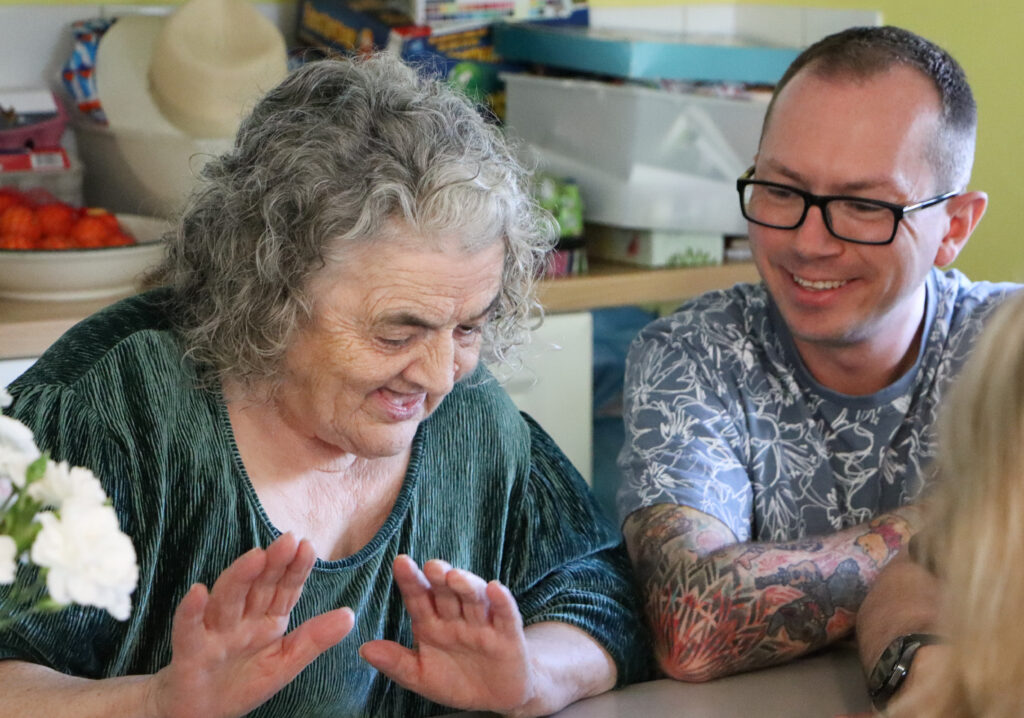
Lunch at Montrose House
Lunch is served between 11.30am and 12pm, offering options such as sandwiches, soups, pancakes, or eggs. The keyholder then administers midday medication. Our next handover happens between 1.30pm and 2pm, led by the morning keyholder and joined by the staff starting their shift. This includes passing the sleepover keys to the incoming sleepover staff member, who will complete the medication duties for the rest of the day and following morning.
What happens in the afternoons?
Afternoons follow a similar pattern to the morning. Staff continue supporting any scheduled activities or appointments, and preparations begin for the evening meal. Residents are encouraged to be involved in the kitchen if they wish. Others may take part in baking, bingo, watching YouTube, or simply chatting with staff. Often these conversations lead naturally into key-working sessions.
Winding down for the evening
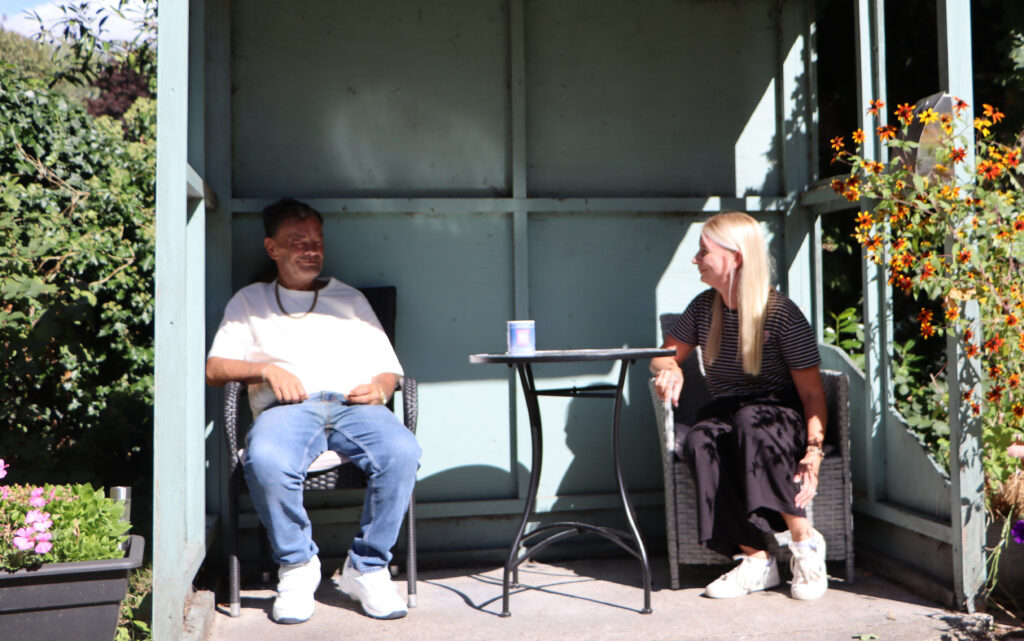
The evening meal is served around 4.45pm, after which staff tidy and clean the kitchen. Residents often choose to help, and for those with mobility needs, we adapt tasks like drying up so they can still take part. Evenings offer a mix of relaxation and social time. Some residents gather in the lounge for TV or a Netflix movie, with support from staff. Others prefer games, crafting, colouring, or spending time in the kitchen.
Later in the evening, staff support residents who need assistance with personal care and getting ready for bed. The keyholder completes the final medication round between 8pm and 10.30pm. Just before ten, handover to the waking night staff takes place, ensuring the night team has everything they need. Sleep-in staff head to bed at 11pm, ready to assist the night staff in emergencies if required.
Throughout the day, all staff record interactions on Nourish, our digital system, ensuring accurate and up-to-date notes that support consistent, high-quality care.
This steady routine, supported by teamwork and communication, is what keeps Montrose running smoothly. Every task, every interaction, and every moment of support makes a real difference to our residents’ daily lives. It’s the collective effort of the whole team that makes this possible.
Thank you to Gary and the Montrose Team for sharing this with us.
“Often, when you lose somebody, it can bring a lot of other stuff up too,” said Lou Brewster, and that single sentence stayed with many of us long after last Thursday morning.
What is the danger of relationship loss for our mental health?
Statistically, when we lose someone close to us to suicide, we are more at risk of thoughts of suicide ourselves.
The loss of an emotional connection is one of the biggest risk factors to suicidal thoughts and poor mental health, especially for men.
Divorce rates are nearly at 50%. Divorce isn’t only about losing that main emotional connection with your spouse. It can often lead to relationship breakdowns with children, or even estrangement, as well as relationships with mutual friends and your spouse’s family.
What was the Living with Loss event about?
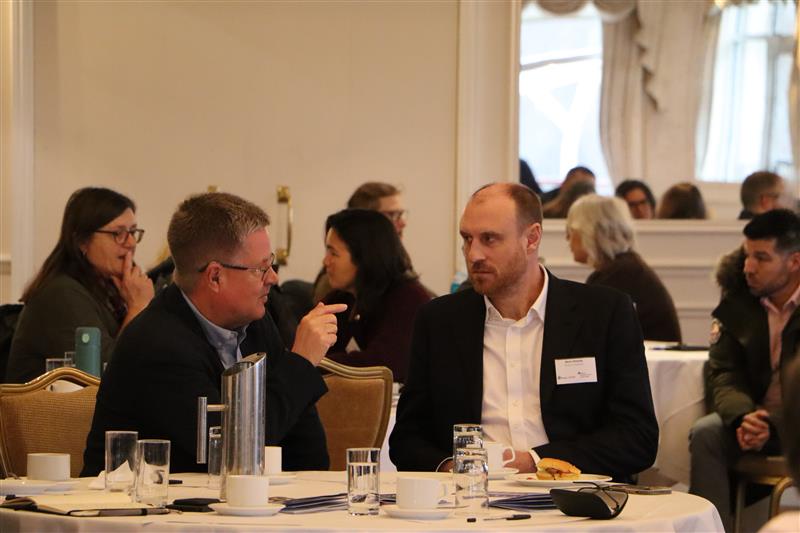
We were proud to welcome so many people to Stoke-by-Nayland for our recent Living with Loss event, delivered in partnership with Mid and North East Essex Mind. It was an event that held space for honesty, emotion and practical support, the kind of conversations that can be hard to start, but even harder to ignore.
The morning opened with Ezra, who set the scene by gently but clearly exploring the realities behind mental health, suicide, bereavement and relationship breakdowns. The statistics highlighted why events like this matter.
We then heard from Lou Brewster, a retired senior mental health nurse, who shared her personal experience of losing two close friends to suicide, alongside the loss of her dog and the breakdown of a relationship, all within a matter of weeks. Her stories were raw, compassionate and deeply human, moving the room between laughter and tears.
The practical moments came as the whole room took part in practising reflective listening, learning what good quality attention really looks like. No fixing, no rushing, just being present with someone else’s story.

The event closed with an eye-opening talk from our sponsors, Birketts LLP, who explored the legal realities of divorce, the stark difference between ‘married’ and ‘not-married’ and relationship breakdown. It offered a different lens on relationship loss, and left many people reflecting on how emotional and practical challenges often coincide.
What do we need to know about relationship loss?
Throughout the event, several key messages stood out.
Even people who are physically surrounded by others can feel deeply lonely, which is why checking in still matters.
For someone who feels stuck in pain, suicide can begin to feel like a solution, but it is a permanent answer to temporary suffering, and things can change. Looking towards the future, even gently, can shift the perspective of someone trapped in the present moment.
The first 12 months after a bereavement or relationship loss are especially important. Keep inviting people, even if you expect them to say no, the inclusion keeps them connected.
Being with people, moving your body, and slowly accepting what has been lost can all help.
And, perhaps most importantly, there is no timeline for grief. It is not linear, it does not behave in the same way for each person, and it does not end neatly.
What support is out there for me after a relationship loss?
If this event stirred something for you, or if you are supporting someone through loss, help is available. We offer support for anyone bereaved by suicide, as well as access to counselling services for anyone struggling with grief, mental health, or relationship breakdown.
You do not have to carry this alone. Reach out, check in, or take the first step towards getting support today.
Making lifestyle changes at any time of the year, but especially at new year, can be hard.
Just because it’s January, it doesn’t mean you have to change anything at all. It’s the middle of the winter, when we naturally want to rest and retreat, and therefore it’s not always an easy time to make lifestyle changes. If you do want to set goals though, here are some resources that can help you.
January was named after the Roman god Janus, who had two faces: one looking forward, and another looking back.
How can our memory and imagination help us make lifestyle changes?
It’s traditional in December and January to reflect on what we’ve done over the last year, and to look forward to what we might do differently in the future, or perhaps make resolutions about the next year.
When doing so, we tap into two useful internal resources – our memory and our imagination.
Combined, they are a very strong force. We share a saying at Suffolk Mind: imagination is stronger than willpower.
Resolutions and goals
If you make new year’s resolutions, this can be particularly useful if you want to keep them.
For example, if we want to do a little more exercise in 2026, we might use our memory to think of a time when we enjoyed doing exercise. What games did we like playing at school? Did we prefer swimming or running, or team sports, or just hitting a tennis ball up against the wall?
Using our memory, we can think back to how we felt at the time as well. Then, using our imagination, we can try to picture ourselves doing some activity again.
If we never liked going to the gym, or know we don’t have time to visit every day or twice a week, there’s little point resolving to go and spending money joining one. There’s little point even taking a week’s free trial, if we just go once or twice and then feel bad about not going again.
You can set goals at any time of the year
I don’t tend to make new year’s resolutions as I know I’ll probably break them anyway. But also, why wait until next January to make a change in your life, or improve something?
Instead, I tend to think the most important aspect of a lifestlye change or improvement is that it’s achievable and realistic. And I try (not always successfully) to link it to a happy memory and imagine a positive future with me doing it.
If you’ve made a new year’s resolution, and many people do, how are you going to give yourself the best chance of keeping it? If you’ve broken it already, don’t worry – let’s just start from now instead.
It doesn’t just have to be about physical activity, of course. Maybe think back to a leader, or a manager or colleague that you particularly liked or respected. What was it about them that made you feel good about yourself? What behaviours did they role model? Could you picture yourself doing the same?
Or maybe there was someone who was a good friend or family member. We could make a new year’s resolution to be more like them…perhaps just occasionally – got to keep it achievable.
Whatever it is you want to do, and whatever time of year you want to make a change, it’s a good idea to put your Janus hat on and think back to a memory that’s a good example of the change, and think forward, using your imagination, to see yourself doing the thing.
Service link
Did you know that Counselling isn’t just for talking about your past, challenging experiences, or what’s currently not right? You can use your Counselling sessions to talk to someone non-judgemental and unbiased about your future plans and goals. Talking to someone else about your goals, your plan to get there, and exploring hurdels you may face, makes the goal more realistic to achieve. Some of our Counsellors even specialise in goal-setting and making changes. Read about our counselling service here.
How to support your wellbeing in the colder, darker months
Jon Neal writes a new blog each month, with this one focusing on those winter blues many of us experience. Jon also shares some tips we can try out to help us through to the Spring.
The January blues are a real thing for many people. And there are plenty of others who are just fine during January…and more who are affected by low mood or poor mental health regardless of the time of year. We’re all different, but we all have pretty much the same brain, we need to meet our emotional needs to stay at the wellbeing point on the mental health continuum. And we’re all affected by different challenges during the year.
Many of us tend to get a bit down in January and February in particular. Christmas is over, it’s dark, it’s cold, it rains a lot. It’s great to take part in different activities to help us through the less happy times.
Try a movement challenge during the winter months
Getting active every day can help us feel more energetic and positive. It doesn’t have to be intense—a short walk, a swim, or even dancing around the kitchen counts. Taking on a daily challenge or joining a local group, like a Park Run or fitness class, can boost motivation and help us feel connected to others.

Try adding vitamin D
In the darker months, we get less sunlight—which means less vitamin D. A daily supplement can help make up for it and support both physical and mental health. Do try and get outside in the daylight too, even for 15 to 20 minutes.

Reconnect with a hobby
Starting a new hobby—or picking up an old one—is a great way to improve mood and meet emotional needs. Activities where you can learn and progress, like playing an instrument, crafting, or cooking, give us a sense of Achievement and Meaning & Purpose.
Some hobbies also offer chances to meet others. Art classes, book clubs, and dance sessions can help us feel part of a community and build new connections.
Make time for yourself
As important as it is to be social, it’s just as valuable to have some quiet time. Reading, journaling, or practising a skill on your own can give you the privacy and space to recharge.
Focus on meeting your Emotional Needs
During winter, try to check in with yourself. Are you getting enough social time? Are you doing things that feel meaningful? Are you allowing time to rest?
If you find that tricky to do alone, our Emotional Needs Survey could help you.
Here are a few ideas to support your emotional needs:
- Connection: Spend time with friends, family, or pets.
- Attention: Give your focus to people or activities you enjoy.
- Security and Control: Make simple plans for the year ahead and set achievable goals.
- Meaning & Purpose: Try volunteering or learning a new skill.
- Have fun and recharge: Play board games, cook together, or take quiet time to unwind.
Plan ahead
Thinking about the months ahead can help you feel more in control. Whether it’s work, school, or personal goals, planning gives you direction and something to look forward to.
Remember: Winter won’t last forever. But in the meantime, taking small steps to meet your emotional needs can make a big difference. Keep moving, stay connected, and take time for yourself.
If you need some extra support, Suffolk Mind can help. Take a look at our ‘Our Services’ section of the website, or speak to one of our Helpline team by calling 0300 111 6000 or emailing info@suffolkmind.org.uk
While Christmas is a time of celebration, it can often be a difficult period to navigate for people living with eating disorders.
Here, Melanie Purves, who leads our Eating Recovery Service, has shared guidance for those living with eating disorders and their loved ones to help them enjoy the festive period feeling happier and healthier.
Christmas brings with it an increased exposure to indulging, tied in with changes to daily routines, leading to a greater risk of harmful behaviours for those living with eating disorders – whether that’s anorexia or a binge eating disorder.
Melanie said: “People living with eating disorders – whether that’s anorexia or a binge eating disorder – have this universal pre-occupation with weight, shape and size.
“So when you have a society which suddenly becomes focused on those things, like at Christmas, it can be really triggering and challenging for people.
“Common triggers include adverts on TV and social media and an increase in conversation around food in general, whether that’s with loved ones or in the workplace.
“Food can become an arena for complicated relationships, so it’s all about making sure people have space, control and autonomy they need to best look after themselves.”
Her five key pieces of advice for managing an eating disorder
Identify your triggers
Knowing what your triggers are means it can be easier to avoid them, or prepare you for how best to cope with them when you are exposed to them, through whichever strategies work best for you.
Create a plan
While it’s important to stick to your normal routine as much as possible, the social events over Christmas add new uncertainty. Setting reminders on your phone to take a break from social gatherings can help get you away from stressful situations – and remember that it’s ok to say no to events, whether that’s declining an offer of lunch in favour of seeing people in the evening instead.
Speak with your trusted friends and family
Talking with people you trust can help set expectations and prevent the chances of any triggering or tricky situations from arising. This could be choosing your own seat at the dinner table, dishing up your own plate, having a safeword to give you time away from the table either for a chat or some time on your own.
Practice self-care
Genuine self-care is so important to mental health. Keeping your own emotional and physical needs in mind can steer you away from making those harmful decisions. It’s also important to avoid excessive alcohol consumption as an unhealthy coping mechanism.
Enjoy the other things Christmas has to offer
There is so much to enjoy at Christmas besides the food. This could be joining in a carol service, watching your favourite festive films with your comfies on or going out and enjoying a nice winter walk.
More information around eating disorders – including help on how to self-refer to our Eating Recovery Service – can be found here.
National eating disorder charity BEAT is also running its free helpline from 4pm to 8pm from December 24 to January 1 on 0808 801 0677.
Suffolk Mind is delighted to announce that Larking Gowen Chartered Accountants and Business Advisors are the official 2026 sponsor of Suffolk Mind’s professional networking initiative, SuffolkForward Network.
SuffolkForward Network is a unique, purpose-driven business network that brings together like-minded professionals to champion mental health and wellbeing across Suffolk. Members not only gain access to networking events, training sessions, and wellbeing content, their membership contributes directly to supporting vital services across the county. Membership fees go towards funding counselling, community mental-health services like GreenCare, and youth and school programmes.
By sponsoring SuffolkForward Network throughout 2026, Larking Gowen reaffirms its commitment to mental health and local community. Their support will help ensure Suffolk Mind can continue to expand its essential work.
“We’re thrilled to welcome Larking Gowen as our 2026 sponsor,” said Jon Neal, Chief Executive of Suffolk Mind. “Their support means more opportunities to reach people in need of support, as well as raise awareness of how we can talk about and take care of mental health across Suffolk.”
Becky Ames, Partner at Larking Gowen said,
“Larking Gowen have a long-standing tradition of supporting community and charitable causes throughout the region. We are proud to be sponsors of the SuffolkForward Network, helping Suffolk Mind deliver quality networking sessions throughout the year, covering important topics including bereavement, addictions, and trauma.”
Find out more about Larking Gowen‘s services
Suffolk Mind has an exciting opportunity for new volunteers to join our board of trustees, and to help make a positive impact within the mental health sector.
About Suffolk Mind
Suffolk Mind is a local mental health charity. More than one in four of us will experience a mental health challenge each year. At Suffolk Mind, our mission is to make Suffolk the best place in the world for talking about and taking care of mental health.
Suffolk Mind works across the mental health continuum, providing services, support and information for everyone.
We offer a range of services including anxiety management courses, counselling, Waves, supported housing, GreenCare, Suffolk Work Well, workplace wellbeing training, and schools and family services. At Suffolk Mind we want to help people make a life that works.
Trustee Role
We are looking for passionate and committed people who have a genuine desire to help us achieve our mission.
Trustee responsibilities are wide and varied and include:
- Ensuring the charity is compliant with relevant legislation and is adequately resourced
- Contributing actively by giving strategic direction to the organisation, setting overall policy, defining goals and evaluating performance
- Ensuring the effective and efficient management and administration of the charity
- Ensuring the financial stability of the charity and proper investment of the charity’s funds
- Using any specific knowledge or experience you have to help the Board of Trustees reach sound decisions
Trustees are required to:
- Attend up to four board meetings a year
- Attend our annual Away Day and represent the charity at external events
- Act as an ambassador for Suffolk Mind
- Attend and participate in training as and when required.
No specific qualifications are required but you should have relevant expertise or experience which will enable you to make a positive contribution to the work of the Board.
At Suffolk Mind, we are dedicated to fostering an inclusive environment where people of all backgrounds, identities, and abilities feel valued, respected, and empowered to contribute their best. Therefore, we welcome applications from individuals of all backgrounds, particularly those from underrepresented groups, including people from ethnic minority backgrounds, LGBTQ+ communities, and those with lived experience.
Trustees are given full support, a comprehensive induction programme and training opportunities. Reasonable expenses are reimbursed.
Leanne, one of our wonderful Trustees, says this about her role:
“Being a trustee for Suffolk Mind is a fantastic way to give back to my local community and it allows me to apply my professional skills, experience and expertise. We act as critical friends to the passionate, dedicated and hardworking team and can be a useful sounding board or fresh pair of eyes. The charity is doing an amazing range of work right across the county so it is a great privilege and honour to support that through being a trustee.”