Get help now
  0300 111 6000
  My account

Gambling Harms

About Gambling Harms
Gambling can take different forms, but they all have one thing in common. It occurs when someone has risked money (or something valuable) on an activity based on chance, luck or some sort of skill.
1 in 7 adults in the UK experience, or are at risk of experiencing, gambling-related harms. The impact can stretch far beyond financial loss, encompassing a decline in physical and mental health, damaging personal relationships, and causing problems at work or school. Gambling and addictive behaviours affect the wider community including partners, parents, extended family members and friends.
If you would like some support on understanding what is driving this behaviour, help in reducing or stopping, or maybe just someone to talk to who will understand, we are here to help.
What support is available?
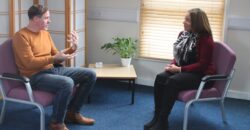
We have fully funded 1-to-1 counselling sessions available to individuals, family members and friends who are affected by gambling. Up to eight, weekly counselling sessions are available per person.
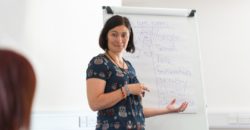
For those wanting to find out more about how to support themselves and others, we also have two workshops designed to increase awareness, understanding and improve wellbeing.


More about the services



Gambling can take many forms:
Here are some common examples:
- Online Casino Games
- Lottery Games
- Dog/Horse Racing
- Computer Gaming
- Sports Betting
- Fixed Odds Betting Terminals
- Bingo
- Scratch Cards
- Slot Machines
- Rapid Day Trading (shares, cryptocurrency)



Please note: this is not a crisis service.
For urgent help for you or someone you know, please contact your GP, visit A&E, call 999 or 111, or visit our Help Directory for more options.











We value your feedback
If you’d like to let us know your experience of using a Suffolk Mind service, including ways we can improve, please complete this form.
Our team regularly reviews feedback to help us improve the support services that we offer.

Get in touch